
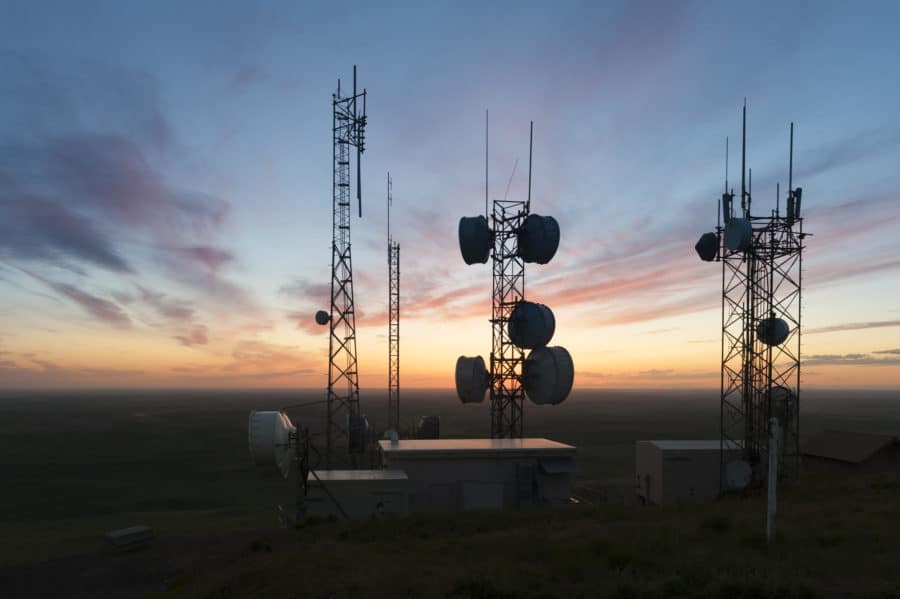
We are more connected than ever. Mobile phones sit in our pockets all day, cell phone towers dot the skyline of almost every town, and wireless communication technology has woven itself into the fabric of daily life. Most people never give any of this a second thought, but a growing number of researchers, doctors, and concerned members of the public are asking questions about what all this wireless exposure actually means for human health.
This guide covers what the science currently says, where the regulatory bodies stand, and, most importantly, what you can actually do about it.
What Is RF Radiation and Where Does It Come From?
Mobile phones and cell towers both emit radio frequency (RF) radiation, which falls under the broader category of electromagnetic radiation. RF and microwave radiation sit in a specific frequency range on the electromagnetic spectrum above extremely low frequency (ELF) fields but well below X-rays or gamma rays.
This matters because RF radiation is a form of non-ionizing radiation. Unlike ionizing radiation (think X-rays or nuclear energy), it does not carry enough energy to break chemical bonds or strip electrons from atoms. That distinction has historically been used to argue it is safe. The problem is that non-ionizing radiation protection is not as straightforward as that simple label implies.
The primary recognized mechanism of harm from high-intensity RF exposure is tissue heating; essentially, the energy absorbed by the body can warm biological tissue. This is the principle behind microwave ovens. At the much lower power density levels associated with everyday mobile devices and cell towers, tissue heating is not really the concern. The debate is about something subtler: non-thermal biological effects.
Phone Radiation Protection Products
What the Science Actually Says
The science here is genuinely contested, and it is worth looking at it honestly rather than dismissing concerns or catastrophising.
Growing Evidence of Concern
There is a body of peer-reviewed published research suggesting that prolonged exposure to wireless radiation may produce biological effects beyond tissue heating. Areas of investigation include:
- Genetic damage: some laboratory studies have found evidence of DNA strand breaks at non-thermal RF exposure levels
- Male fertility: multiple scientific studies have reported reduced sperm motility and viability associated with mobile phone RF exposure
- Cancer incidence: the relationship between long-term RF radiation exposure and certain tumours, particularly acoustic neuromas and gliomas, has been investigated extensively
- Immune system effects: some research suggests that radiofrequency electromagnetic fields may modulate immune function
- Radiofrequency sickness: a cluster of symptoms including headaches, fatigue, and sleep disruption reported by people with high RF exposure, though causation remains debated
The International Agency for Research on Cancer (IARC), part of the World Health Organization, classified RF radiation as “possibly carcinogenic to humans” (Group 2B) back in 2011. That classification has not been downgraded since, and growing scientific evidence has led many researchers to argue it should be upgraded.
The National Institute of Environmental Health Sciences and bodies focused on environmental health sciences have also acknowledged that the research warrants continued investigation. This is not fringe science, and it appears regularly in the scientific literature and in health physics journals.
What the Regulators Say
Regulatory positions have not always kept pace with the published research. Here is a comparison of key bodies and their approach to public exposure limits:
| Regulatory Body | Jurisdiction | Approach to RF Exposure Limits |
| Federal Communications Commission (FCC) | USA | Sets exposure limits based primarily on tissue heating; last updated core limits in 1996 |
| Health Canada (Safety Code 6) | Canada | Sets safety limits with a focus on thermal effects; acknowledges some non-thermal evidence but does not reflect it in limits |
| Environmental Protection Agency (EPA) | USA | Previously had a role in RF safety research; that role was significantly reduced in the 1990s |
| International Commission on Non-Ionizing Radiation Protection (ICNIRP) | International | Sets guidelines adopted by many countries; primarily thermally based; criticised by some scientists for not accounting for non-thermal biological effects |
| BioInitiative Working Group | International (independent) | Recommends much stricter public exposure limits based on non-thermal evidence; not a regulatory body but widely cited in scientific literature |
The gap between regulatory exposure limits and what some independent scientists consider safe levels is significant. Procedures developed by bodies like the FCC were, in many cases, designed decades ago and have not been substantially revised to reflect more recent published research on adverse health effects.
Cell Towers: How Close Is Too Close?
A typical cell site combines multiple cellular antennas mounted on a tower or rooftop structure. These base stations emit radio signals continuously, and the radiation emitted reaches anyone in the surrounding area though power density decreases with distance from the source.
Concerns about cell towers found near homes, schools, and workplaces have prompted community campaigns in many countries. The placement of new cell towers on or near school grounds has been particularly contentious, given that children may represent a more vulnerable population for long-term exposure effects.
A few things are worth understanding about cell tower radiation specifically:
- Distance matters: RF exposure levels drop sharply as you move away from the source. Someone living directly adjacent to a tower faces meaningfully higher human exposure than someone a few hundred meters away.
- Beam direction matters: cellular antennas are typically directional, with the main beam projecting horizontally outward. People directly below a tower often receive less exposure than those at a distance in the horizontal plane of the antennas.
- Cumulative exposure: with the rollout of denser networks, including the addition of small cells on street furniture and buildings, the background level of wireless radiation in urban environments has been increasing.
How to Measure EMF Levels in Your Home
Before spending money on protection products, it makes sense to understand what you are actually dealing with. You can detect EMF levels in your home using a dedicated RF meter or a trifield meter, which covers multiple field types.
When measuring, pay attention to:
- Proximity to exterior walls: facing existing sites or new cell towers
- Rooms where you spend the most time, especially bedrooms
- Readings near your router, smart meter, and wireless devices
- Time of day: RF exposure can fluctuate depending on network traffic
Many EMF consultants and health physics professionals offer home assessments if you want a more thorough picture.
Shop EMF meters
Practical Protection Strategies
Once you know your baseline exposure levels, you can take targeted steps to reduce radiation exposure in the places that matter most.
At Home
- EMF shielding paint specialist paints containing carbon or metalite particles can be applied to walls facing cell towers or base stations. When properly earthed, they can significantly reduce the RF radiation penetrating into living spaces.
- Window films RF-blocking window films address one of the main weak points in a shielded room.
- EMF bed canopies a Faraday canopy around your bed creates a shielded sleeping environment, which is particularly useful given that prolonged exposure during sleep is a concern for many people.
- Dirty electricity filters electronic equipment can generate high-frequency noise on the mains wiring (sometimes called “dirty electricity“) which may contribute to overall electromagnetic radiation exposure indoors.
With Your Devices
- Keep mobile phones away from your body when not in use a phone protection bag or desk rather than a pocket
- Use speakerphone or wired earphones rather than holding the phone against your head
- Turn off Wi-Fi and wireless devices overnight this is one of the simplest ways to minimize exposure during the hours when your body is doing its most important repair work
- Avoid using mobile devices in areas with poor signal, as phones increase their RF radiation output when struggling to connect
Personal Protection
EMF-protective clothing, made with fabrics woven with conductive fibers, is available for people who want an extra layer of protection when out and about near cell phone towers or in high-exposure urban environments.
A Note on Staying Informed
The regulatory picture is shifting. Several countries have reviewed or are in the process of reviewing their safety code for RF radiation in light of growing scientific evidence. Court rulings in the US have found that the FCC failed to adequately explain its decision not to update its RF exposure limits. Researchers affiliated with the environmental protection agency and independent groups continue to publish research in peer-reviewed journals.
If you want to stay current, resources like the BioInitiative Report, the Environmental Health Trust, and publications in environmental health sciences journals are good starting points. Look for peer-reviewed published research rather than industry-funded summaries where possible.
Contact Us
Quick Reference: Ways to Reduce Your Exposure
| Strategy | What It Addresses | Effort Level |
| EMF shielding paint on exterior walls | Cell tower RF penetration | Medium |
| Faraday bed canopy | Whole-room RF and ELF fields during sleep | Low (once installed) |
| Wired internet instead of Wi-Fi | In-home wireless radiation | Medium |
| Phone in bag/desk, not pocket | RF exposure from mobile devices | Very low |
| RF meter to measure EMF levels | Identifies problem areas | Low |
| Dirty electricity filters | Indirect electromagnetic exposure | Low |
| EMF-protective clothing | Personal RF exposure outdoors | Low |
Taking the Next Step
The evidence around cell tower protection and mobile phone radiation is not yet settled science, but the weight of peer-reviewed published research is sufficient to take reasonable precautions. The goal is not to live in fear of your phone or your local mobile network mast, it is to make informed choices that reduce unnecessary radiation exposure without turning your life upside down.
At EMF Protection, we believe everyone deserves to live and work in a healthier environment. Our range of tested shielding fabrics, clothing, and bed canopies are designed to help you make that possible.If you’d like expert guidance or reliable products to reduce your exposure, contact us today!
FAQs
The honest precautionary case is simply that 5G is being rolled out at massive scale before long-term safety data exists. The millimeter wave frequencies used are genuinely new in everyday civilian exposure, infrastructure density means people are closer to transmitters than ever before, and existing safety guidelines were largely built around short-term thermal effects rather than decades of chronic low-level exposure. We’ve been confidently wrong about public health risks before, so calling for more independent long-term research isn’t unreasonable.
A handheld EMF meter is the easiest starting point. Walk through the rooms where you spend the most time and take readings near windows, wireless devices, and your bed. A lot of people forget about radiation from charging, but keeping a phone plugged in on your nightstand means you are sleeping next to an active RF source every night. Moving your charging spot out of the bedroom is one of the simplest things you can do.
This is one of the most common concerns we hear. The environmental effects on people living near cell towers are an active area of research, with some studies linking prolonged RF exposure to symptoms like sleep disruption, headaches, and fatigue. Other factors such as stress and pre-existing conditions can complicate the picture, but if you are worried, measuring your personal exposure levels and looking into EMF protection strategies for your home is a sensible place to start.