
What Is EMF? Definition & Tips
In the modern world, wireless technology is everywhere, and our devices and appliances emit varying levels of electromagnetic fields (EMF) or EMF radiation. Unfortunately, scientific evidence suggests this often-unnoticed radiation can negatively impact our health.
The GOOD NEWS is that once you understand why and how to protect against these electromagnetic fields, you can reduce your exposure.


What exactly are EMFs?
EMF stands for electromagnetic fields, in simple terms, invisible areas of energy created by electrically charged objects. Every time an electric charge moves, it creates both electric fields and magnetic fields, together forming EMFs. These fields surround all electrical devices, from small cell phones to large power lines.
According to the World Health Organization (WHO), electromagnetic fields are present everywhere in our environment. They can vary in strength and frequency, depending on the energy source. EMFs can be divided into two main categories:
- Low-frequency (non-ionizing) radiation – This includes extremely low frequency (ELF) fields from electrical appliances, wiring, power lines, and high voltage transmission lines. ELF radiation doesn’t have enough energy to alter atomic structure but can still affect biological systems with prolonged exposure.
- High-frequency (ionizing) radiation – This includes gamma rays, X-rays, and other forms of high energy radiation. These can damage DNA and are recognized as a clear cancer risk. However, the EMF radiation from household electronics and wireless devices is non-ionizing, which means it has much lower energy.
The Electromagnetic Spectrum Explained
To understand EMFs better, it helps to look at where they fall on the electromagnetic spectrum. This spectrum covers all types of electromagnetic radiation, from static electric fields to visible light, radio waves, and gamma rays.
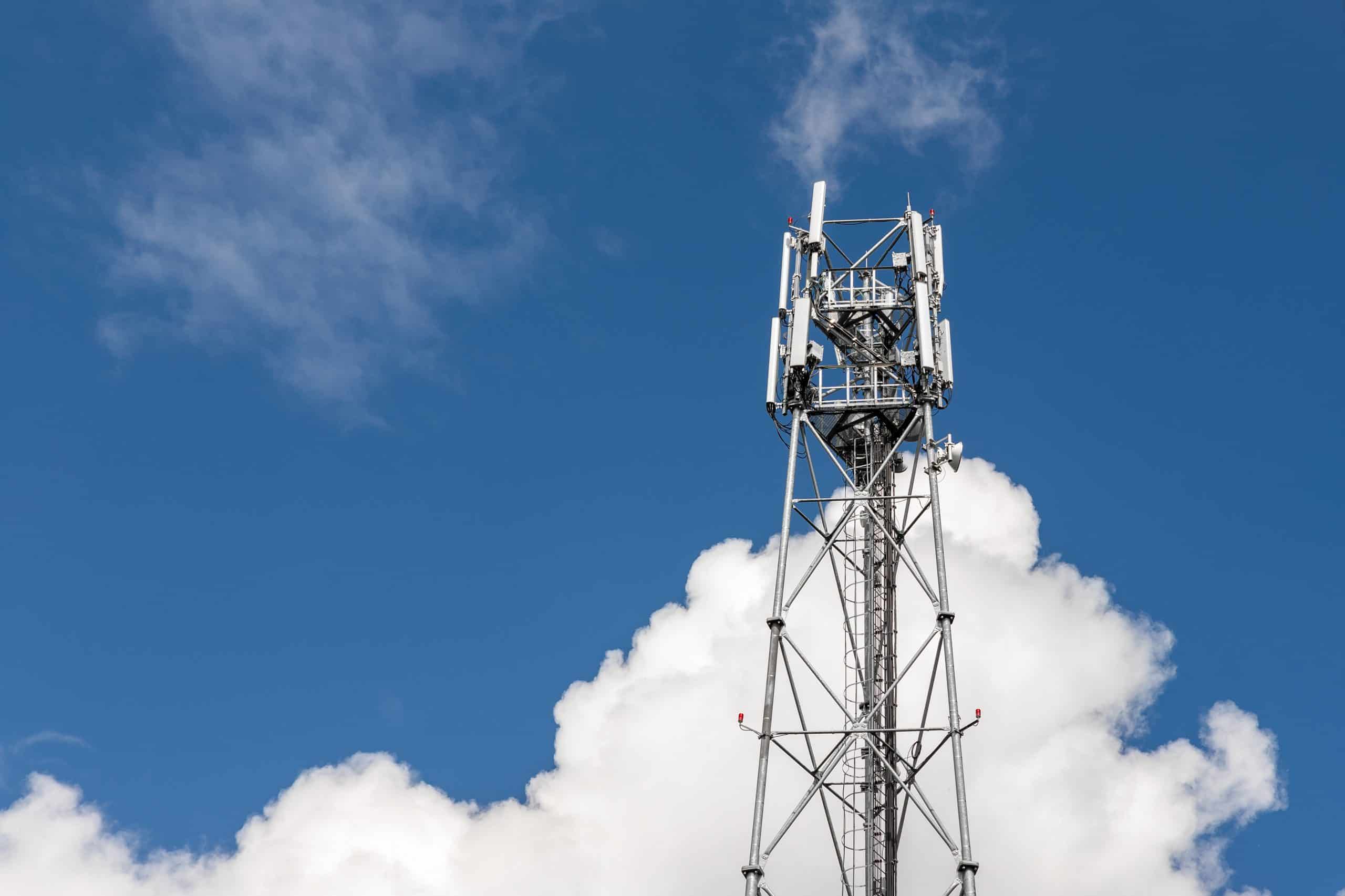
The EMFs emitted by cell phones, Wi-Fi routers, and Bluetooth devices fall into the radio frequency radiation (RF) range. These non ionizing radiation fields don’t have enough energy to break molecular bonds, but some studies have suggested potential biological effects from prolonged exposure, hence the debate over possible health risks like sleep disturbances and electromagnetic hypersensitivity (EHS).
EMF Protection Definition
So what exactly is EMF protection? In simple terms, EMF protection involves limiting your exposure to EMF radiation by using shielding materials, safe practices, or distance to block or reduce radiation levels. Non-ionizing radiation protection can include both lifestyle changes and physical barriers, such as EMF blocking paint, canopies, fabrics, or clothing.
The Environmental Protection Agency (EPA) and other regulatory agencies have developed guidelines and exposure limits to protect public health. However, the World Health Organization’s EMF Project continues to conduct health risk assessments and review scientific literature to better understand possible health risks associated with everyday environments.
Frequency Guide
Here is a quick guide to some of the frequency ranges of modern wireless technologies and links to the best EMF protection fabrics for them. Scores are shielding efficacy, 1 being poor 10 being good. Remember other things are important, such as washables, time on the market, toxicity, need for earthing etc.
For now, add two points to each Swiss Shield score. Whilst the Swiss Shield products generally show a lower attenuation than our own branded Bloc products. Swiss Shield is a Rolls Royce of products that generally outperforms the sum of its parts.
|
Technology |
Bloclothing |
|
|||
|
Gsm 900 &1800 |
7.0 |
7.5 |
9 |
5 |
4 |
|
3G |
6 |
6.5 |
9 |
5 |
3.5 |
|
4G |
7.0 |
7.5 |
9 |
5 |
4 |
|
5G |
Not known yet |
recommend |
Blocgold |
|
|
|
Wi-Fi 2.4Ghz |
6 |
6.5 |
9 |
5 |
3 |
|
Wi-Fi___33 5+ GHz |
4 |
4.5 |
9 |
5 |
2 |
|
Smart meter |
7.0 |
7.5 |
9 |
5 |
3.5 |
How To Measure EMF Radiation
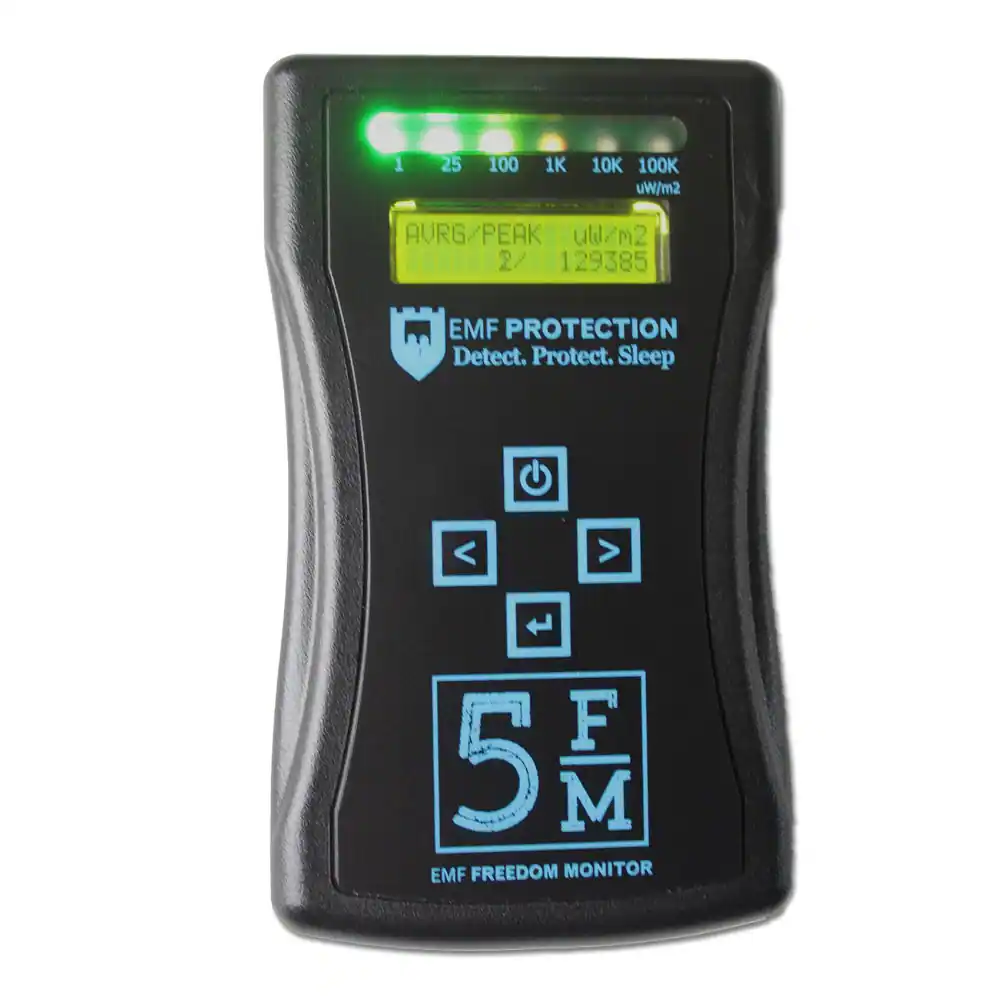
Before taking any steps to shield your home, school, or office from EMFs, it is vital that you measure the frequency beforehand. This is to ensure that you make the right decisions when purchasing any shielding equipment such as fabrics, canopies, or clothing. The amount of electromagnetic frequencies in your environment dictates what level of shielding you will need. You need to know where the radiation is coming from. Failure to do so will probably result in a waste of money, time, and resources.
Once you have established that you need to measure the EMF levels, you will need to buy an EMF monitor to measure them.
How To Reduce EMF Exposure?
There are some simple ways to reduce EMFs in your environment. For example, you can:
- turn off Wi-Fi and Bluetooth when not in use
- opt for wired connections instead of always relying on wireless connections
- keep your phone away from your body whenever possible
- avoid lengthy phone calls that expose your head to constant radiation
However, some people need stronger protection against electromagnetic radiation. These include people:
- who suffer from electromagnetic sensitivity or hypersensitivity (EMS/EHS)
- live in environments surrounded by routers or cell towers
EMF shielding/protection requires blocking or reducing electromagnetic waves with barriers of conductive material. For this, an EMF-blocking metal (usually silver/copper/nickel) is woven into the fabric of EMF mitigation products as you can see with our bed canopies and clothing. And in this way, a barrier against electromagnetic fields, such as phone signals and Wi-Fi, is created.

Closing Thoughts
Understanding electromagnetic radiation and its potential effects is the first step toward creating a safer home and workplace. While complete avoidance is nearly impossible in our technology-driven world, you can still take control by reducing your EMF exposure and using effective EMF shielding solutions.
At EMF Protection, we believe everyone deserves to live and work in a healthier environment. Our range of tested shielding fabrics, clothing, and bed canopies are designed to help you make that possible.
If you’d like expert guidance or reliable products to reduce your exposure, contact us today!
FAQs
Are electric and magnetic fields always harmful?
Not necessarily. Electric and magnetic fields are naturally present in our environment, including from the Earth’s magnetic field itself. The concern arises when these fields come from man-made sources such as electronic devices, mobile phones, and power lines, especially with prolonged or close contact. While research continues, most experts recommend limiting exposure wherever possible as a sensible precaution.
What’s the difference between ionising and non-ionising radiation?
Ionising radiation like X-rays and gamma rays, has enough energy to damage DNA and increase the risk of cancer. In contrast, non-ionising radiation is lower in energy and comes from sources such as wireless routers, mobile phones, and household electronics. Non-ionising radiation is considered less harmful, but limiting exposure is still advised for long-term safety.
How can I reduce EMF exposure from everyday electronic devices?
You can reduce EMF exposure by keeping mobile phones away from your body when possible, using wired earphones, and turning off wireless functions when not in use. Position electronic devices, like Wi-Fi routers and smart meters, away from areas where you spend long periods. These simple habits go a long way toward limiting exposure and supporting a healthier living environment.
Not necessarily. Electric and magnetic fields are naturally present in our environment, including from the Earth’s magnetic field itself. The concern arises when these fields come from man-made sources such as electronic devices, mobile phones, and power lines, especially with prolonged or close contact. While research continues, most experts recommend limiting exposure wherever possible as a sensible precaution.
Ionising radiation like X-rays and gamma rays, has enough energy to damage DNA and increase the risk of cancer. In contrast, non-ionising radiation is lower in energy and comes from sources such as wireless routers, mobile phones, and household electronics. Non-ionising radiation is considered less harmful, but limiting exposure is still advised for long-term safety.
You can reduce EMF exposure by keeping mobile phones away from your body when possible, using wired earphones, and turning off wireless functions when not in use. Position electronic devices, like Wi-Fi routers and smart meters, away from areas where you spend long periods. These simple habits go a long way toward limiting exposure and supporting a healthier living environment.
Do EMF Protection products work?
We are often asked if these products work. It’s a good question, and the answer is, “Yes, our products have been tested and proven to shield against electromagnetic radiation.”
Please be aware that you can find products on the market not backed by scientific research! BUT at EMF Protection, we only offer products that have worked — and that we trust — for ourselves and our families.
We are committed to helping you and your loved ones PROTECT. Here you can see our wide range of EMF-shielding products and solutions.
EMF Bed Canopies
Detectors & Monitors
EMF Clothing
EMF Filters
EMF Paint