

Electromagnetic fields (EMF) appear wherever electrical power flows or wireless signals travel, from low‑frequency fields around wiring and appliances to higher‑frequency radio waves from Wi‑Fi, mobiles, and 5G.
A low EMF sanctuary is a home space that quietly supports your nervous system, sleep, and recovery by cutting down unnecessary electromagnetic fields from wiring, devices, and wireless tech, especially in the bedroom where you spend long, uninterrupted hours every night.
In 2026, that means making smarter choices about how you use Wi‑Fi, phones, and smart gadgets, then adding targeted shielding only where measurements show you really need it.
This practical 2026 guide walks you step by step through creating a low EMF sanctuary that fits real‑world homes, families, and budgets.
Electromagnetic fields appear wherever electrical power flows or wireless signals travel. EMF exposure affects health once field strengths exceed certain levels, because strong fields can heat tissue or stimulate nerves and the brain.
In a normal home you mainly see two types of EMFs:
Mainstream bodies such as WHO and ICNIRP state that exposures kept below their guideline limits do not appear to cause established adverse health effects. Those public limits are conservative: ICNIRP and national EPAs base them on effect thresholds and then apply safety factors of around 50 for the general public. So guideline levels sit roughly fifty times lower than doses that cause known effects in lab conditions.
Many people still choose to reduce EMF exposure at home as a precaution. Building biology practitioners and some EMF consultants favour much lower benchmarks in bedrooms, treating them as comfort and recovery targets. A common bedroom suggestion is magnetic fields below about 1 mG and very low electric fields around the bed, far below regulatory limits.
A low EMF sanctuary is therefore:
The bedroom is usually the first room to focus on because you spend several continuous hours there every night. Once you understand the different types of EMFs in your home, the next step is to measure what is actually present in your rooms before you start changing things.
Before you buy shielding products, measure your environment with basic EMF meters so you can focus on real hotspots rather than guessing. EMF meters reveal exposure by turning invisible fields into numbers you can compare and track.
Most households only need three meter types:
Most of the meters we sell will measure all 3 types. Get in touch with us if you are unsure.
Use a simple, repeatable method.
You can compare readings to two benchmarks.
You decide whether you are happy staying somewhere under legal limits or prefer to move closer to more conservative bedroom targets. Once you know where the strongest fields are, you can start lowering them by reducing, distancing, and rewiring your daily tech use.
The most effective way to create a low EMF sanctuary is to reduce emissions at the source by changing how your home uses wireless and electrical devices, rather than relying only on shielding products. Source control lowers exposure because every router you move or device you switch off trims fields before they reach your body.
Start with your main home emitters:
Distance is one of the easiest forms of EMF protection. Field strength often drops quickly as you move away, roughly following an inverse square style relationship for many sources. Moving a router or smart meter one or two metres further from a headboard can significantly reduce readings at the pillow.
Example:
A short nightly checklist keeps habits consistent.
Once you have reduced what your devices emit, the next step is to re-design key rooms so their layout naturally keeps EMFs low.
Because your body repairs itself during sleep, the bedroom is the most important room to turn into a low EMF sanctuary. Bedroom design supports low EMF sleep by combining bed placement, wiring awareness, calm lighting, and fewer nearby electronics.
Start by looking at what surrounds the bed.
Hidden wiring and cables can raise electric fields even when devices feel “off”.
Helpful tweaks:
Many building biology style guidelines suggest bedroom magnetic fields below about 1 mG and low electric fields for more restorative sleep, although these benchmarks are well below regulatory limits.
Lighting and entertainment choices also matter.
Some people ground metal bed frames to reduce low frequency electric fields, but this should only be done after measurement and by a qualified professional because poor grounding can create new issues. Once your bedroom is configured sensibly, you can decide where to add shielding to block unavoidable external fields.
Shielding materials such as special paints, curtains, and bed canopies can dramatically reduce certain EMFs, but they must be used correctly and only after measuring your environment. They reduce incoming fields by reflecting or absorbing radio frequency energy, yet they do not fix internal sources such as a phone used inside a shielded zone.
Key options:
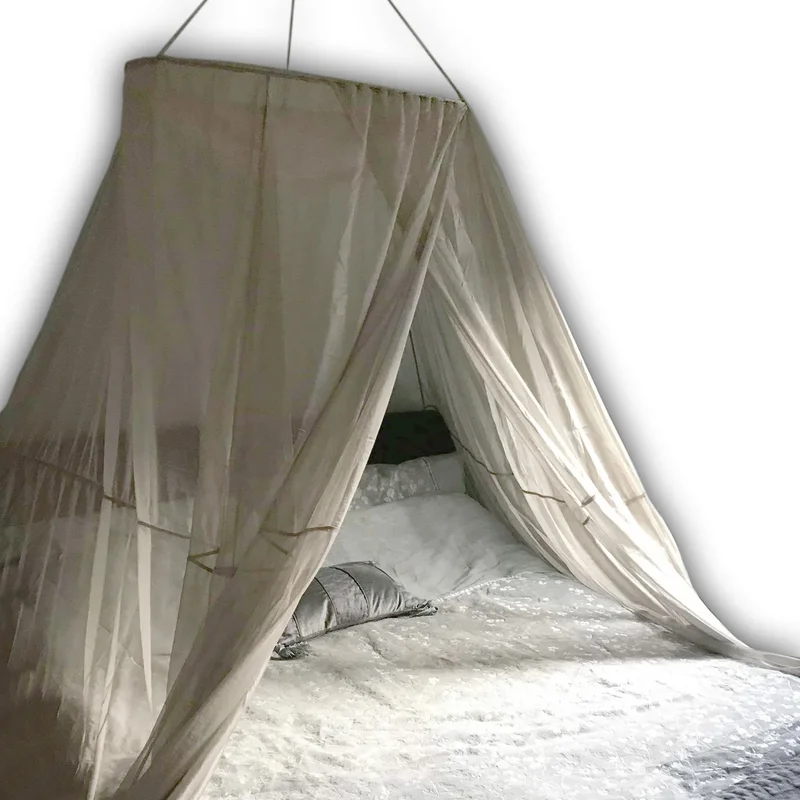
Some lab tested bed canopies show very high effectiveness:
These products illustrate how targeted shielding around the bed can dramatically reduce RF at night when external sources dominate.
However, shielding comes with trade offs:
Inside canopies and heavily shielded rooms, phones and tablets should stay in airplane mode or outside the shielded area.
| Strategy type | What it involves | Typical benefit | Main limitations | Best for |
| Everyday tech habits | Turning off Wi Fi at night, unplugging idle appliances, using airplane mode, and keeping devices away from the bed. | Very low cost, quick to start, and immediately reduces unnecessary EMF exposure while supporting better sleep. | Needs consistent habits from everyone at home. | Most households begin to reduce EMFs without major spending. |
| Tech configuration changes | Using wired ethernet, moving routers away from bedrooms, replacing cordless phones, and adjusting smart home settings. | Can significantly lower RF load while keeping full connectivity for work and entertainment. | Requires some cables, small hardware changes, and basic networking confidence. | People who work from home or use many wireless devices. |
| Targeted shielding (paint, curtains) | Shielding paint on key walls plus shielding curtains or window films on exposed windows. | Reduces incoming RF and electric fields from specific directions, useful in dense urban or terrace homes. | Higher upfront cost and does not address internal sources. | Residents near strong external sources such as cell towers and smart meters. |
| Full sleep zone shielding (canopies) | Sleeping inside a tested RF blocking bed canopy around the bed. | Very high reduction of Wi Fi, 5G, and mobile mast signals during sleep, often above 99.99 percent blocking. | More expensive, visually prominent, and requires careful phone and device management. | Highly sensitive individuals prioritising maximum night time protection. |
After choosing your preferred strategies, the final step is to bake low EMF thinking into daily routines so the sanctuary feeling lasts.
Your home stays a low EMF sanctuary when you build small daily habits around distance, duration, and smart tech use. These habits keep EMF exposure low without constant effort.
Nightly routine ideas:
Daytime habits:
Networks and nearby equipment change over time, so it helps to re measure EMF levels whenever you add a new router, receive a smart meter, or notice new antennas in the area. With basic understanding, simple measurements, a few focused room changes, optional shielding, and steady habits, you can create a low EMF sanctuary that supports long term health, energy, and rest.
At EMF Protection, we believe everyone deserves to live and work in a healthier environment. Our range of tested shielding fabrics, clothing, and bed canopies are designed to help you make that possible.
If you’d like expert guidance or reliable products to reduce your exposure, contact us today!
EMF shielding is most useful when measurements show higher RF or low level radiation from nearby masts, smart meters, or dense neighbour Wi Fi, especially in bedrooms. In modern life many people mainly shield key sleeping zones or specific invisible areas where meters show clear hotspots, rather than the whole house. Shielding should always complement, not replace, simple steps like turning devices off, moving routers, and reducing wireless use at night.
For everyday exposure near your body, a cell phone in normal use usually matters more than the earth’s magnetic field because it sits right against your head or body and emits man made RF. The earth’s magnetic field is a weak, natural background that humans have always lived in, while close range wireless devices add extra protection needs such as distance and airplane mode. Keeping calls short, using speaker mode or air tube headphones, and keeping the phone off the body at night are simple ways to reduce low level radiation from personal devices.
Many people report deeper sleep and better next day well being when they cut wireless signals and electric fields around the bed, even if their previous levels were already below guidelines. Focusing on the bedroom, reducing RF from routers and phones, and using targeted EMF shielding for external sources can create calmer, invisible areas that support rest. Results vary by person, but combining good sleep habits with lower EMF exposure in your sleep sanctuary is a low risk way to seek extra protection for long term health.
