
EMF Shielding Paint
EMF blocking paint turns the walls themselves into the shield. One coating of conductive paint on walls, ceilings or floors forms a barrier that helps block EMF signals from outside sources like cell towers and neighbors’ WiFi, making it the most permanent option in EMF protection. The range pairs YSHIELD DRY54 shielding paint at $99.99 with everything the job needs to be done properly: the EMF Paint Grounding Kit at $62.99 and grounding tape at $19.99.
-
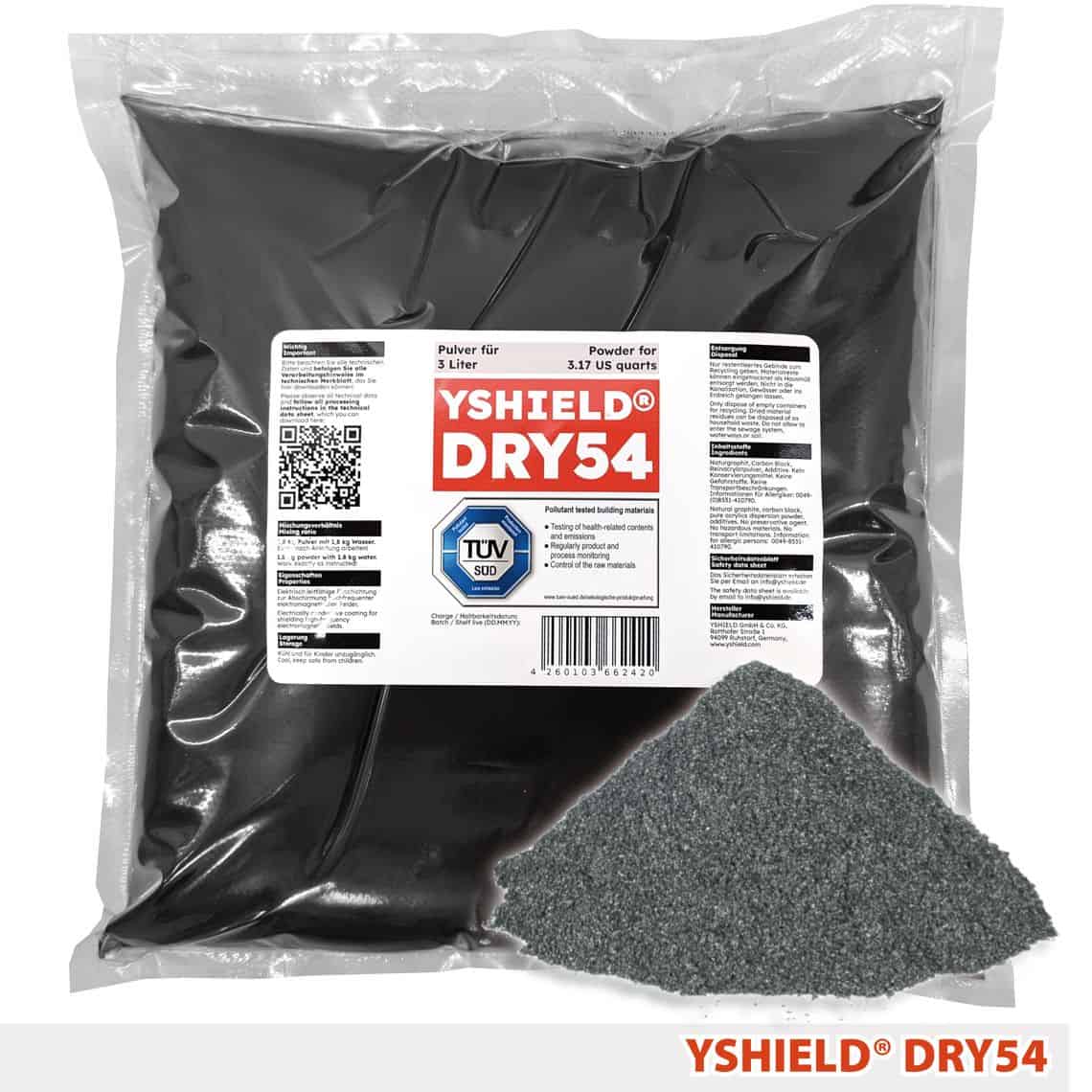
YSHIELD® DRY54 Shielding Paint Powder, 0.8 Gallon (3 Liter)
Powder shielding paint, with up to 48dB at 1GHz
Only 5 left in stock
Frequently asked questions
The EMF paint is loaded with conductive materials, typically carbon black, with metal particles like nickel in some formulas, so the dried coating forms a conductive layer across the painted area. That layer reflects and absorbs radiation across the frequencies used by Wi-Fi routers, smart meters and cell towers, and once grounded it also drains low frequency electric fields from power lines and the wiring inside your walls. It is the same physics as a Faraday cage, applied with a roller. Shielding effectiveness stacks with each coat, which is why two coats are recommended for a demanding environment.
Almost. EMF paint is suitable for most interior and exterior walls, ceilings and floors, and a prime coat helps if the surface is porous or uneven. Because shielding paint dries dark, it is made to be overcoated with any standard emulsion, so the finished room looks completely normal while the shield sits underneath. The same product suits various applications: homes, offices, schools and clinics with sensitive equipment. For exterior walls and rooms with high humidity, check the product notes; corrosion resistance matters for coatings with metal content, and carbon based formulas resist the damp that causes corrosion in cheap metal paints. The only real constraint is that you plan the area properly, because a shield with big gaps is a shield in name only.
Yes. These are water based emulsion paints with low VOC content, no toxic solvents and no preserving agents, built on sustainable materials like carbon black and silicon resin. Solvent free and low emission matters here more than with normal paint, because you are coating the rooms you sleep and work in. Handle it like any decorating product: ventilate while you work, and let each coating dry fully before the next step.
EMF paint (also sold as EMF shielding paint or RF blocking paint; the names cover the same types of coating) is a conductive coating designed to reduce the electromagnetic fields (EMF) and electromagnetic interference passing through the painted surface. Think of it as shielding fabric in liquid form: where a canopy protects a bed and clothing protects a body, paint shields a whole room at the structural level. It is an excellent choice among the options when the radiation source is fixed, a cell phone mast across the street, a neighbor’s Wi-Fi signals through the wall, and you want a permanent, invisible fix. It will not block what your own electronic devices emit inside the room, but it deals with everything coming through the structure.
Good shielding paint is one of the most effective products in this field, and unlike most, you can verify it: take an EMF meter reading in the room before painting, then repeat it after the recommended two coats and compare readings across the frequency range, watching the frequencies that matter to you. Products like YSHIELD publish tested attenuation figures, and the effectiveness you get depends on coverage and application quality more than anything else. Cheap EMF paint with no test data behind it is a gamble; a tested product applied correctly is physics doing exactly what it says.
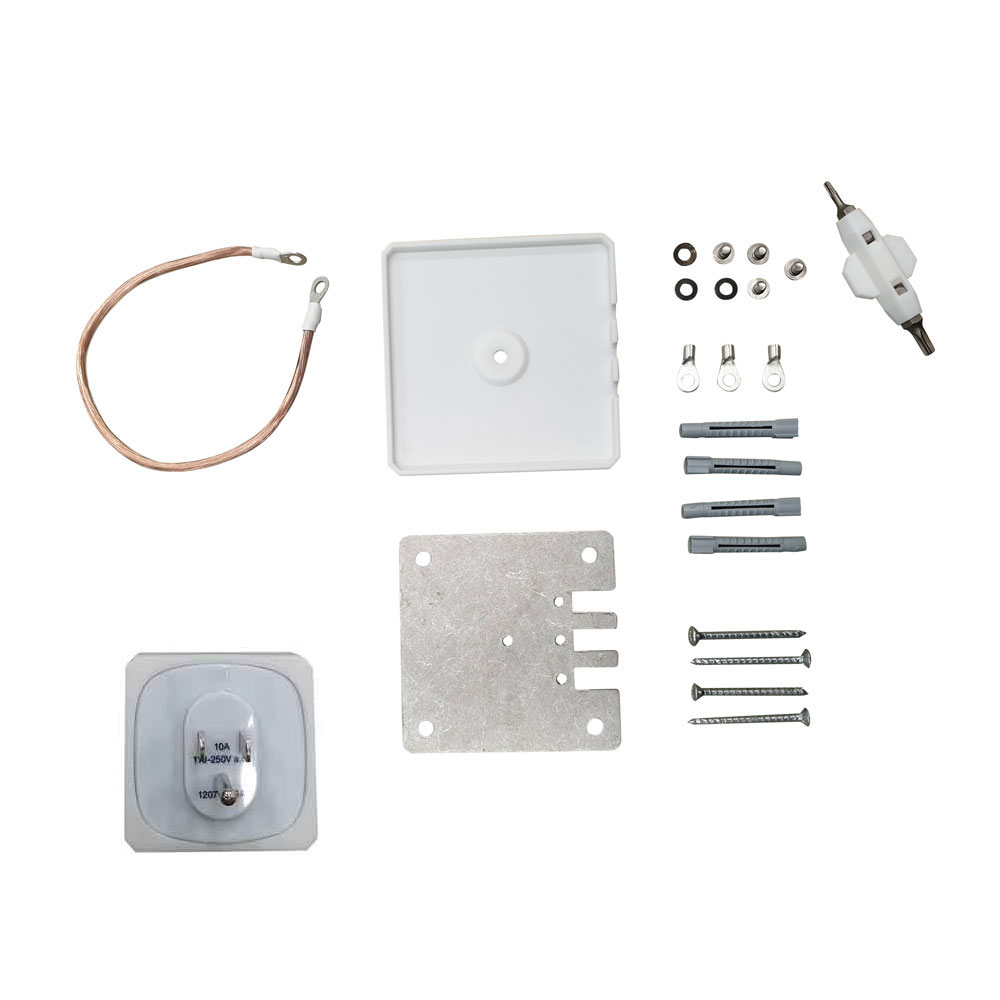
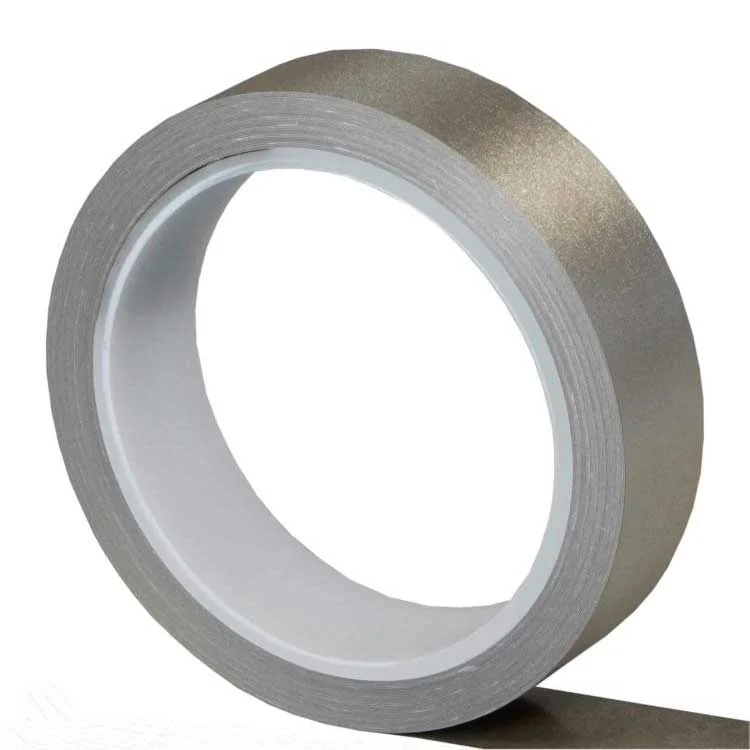
For the high frequency radiation of wireless signals, the coating works ungrounded, but grounding is strongly recommended and for low frequency electric fields it is essential: an ungrounded conductive layer can hold those fields rather than drain them. The grounding options are straightforward with the right parts, which is exactly why we stock them together. The EMF Paint Grounding Kit connects the painted area to earth, the grounding tape bridges corners and joints so the whole coating reads as one surface, and the grounding plug completes the connection to earth through a standard electricity outlet. If you order the paint, order the grounding parts with it.
Like ordinary paint, with a little more discipline. Mix the DRY54 powder as directed (one pack makes 3 liters), then work it into the surface with a brush or roller to create an even, smooth layer with no missed patches. Fit the grounding tape before the first coat goes on, allow proper drying time, then apply the second coat; two coats applied properly beat one thick coat, because pinholes in a single application cost you performance. Once dry and grounded, overcoat with your normal wall color. A careful amateur can absolutely do this job; the shield rewards patience, not expertise.
Measure the area first: walls, plus ceilings and floors if the source sits above or below you. One DRY54 pack covers around 3 liters’ worth of coverage, so larger projects simply take multiple packs to cover, and it is cheaper to order enough in one go than to stop a half-painted shield. Protect the spaces you are most concerned about first: the affected wall facing the mast, the bedroom, the office you sit in eight hours a day. Not every room in the house needs shielding; your options are simple, shield the worst areas first, and an effective partial application beats a thin coat everywhere.
The paint itself is $99.99 per pack, and a full single-room job with the grounding kit and tape typically lands a little over $150 in parts. That is more expensive than normal decorating, and the way to understand the cost is per decade: the shield does not wear out, wash out or need charging. Compared with moving to a house further from the mast, it is the effective option. Every order is dispatched quickly with 30-day returns, and our team helps customers plan jobs like this every week; contact us with your room sizes before you place the order.