Please note: we do not accept returns for monitors
What Are EMF Meters?
EMF meters, or electromagnetic field detectors, help you identify the presence and strength of electromagnetic fields in your environment. That’s everything from natural sources to power lines, cell towers, Wi-Fi routers and household wiring. The levels of electromagnetic radiation have been rising lately, and that’s what’s been driving the interest in accurate and reliable measurements – whether it’s for research or keeping yourself safe.
Rising levels of electromagnetic radiation have led to people wanting to know the facts about the electromagnetic environment they’re in. With EMF detectors, you can test EMF levels, keep an eye on exposure and see just how much different electronic devices or locations might be contributing to radiation levels.
What Does an Electromagnetic Field Meter Measure?
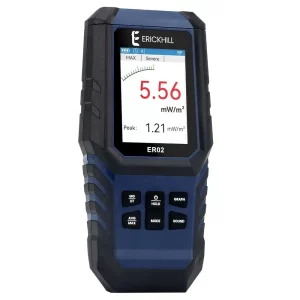
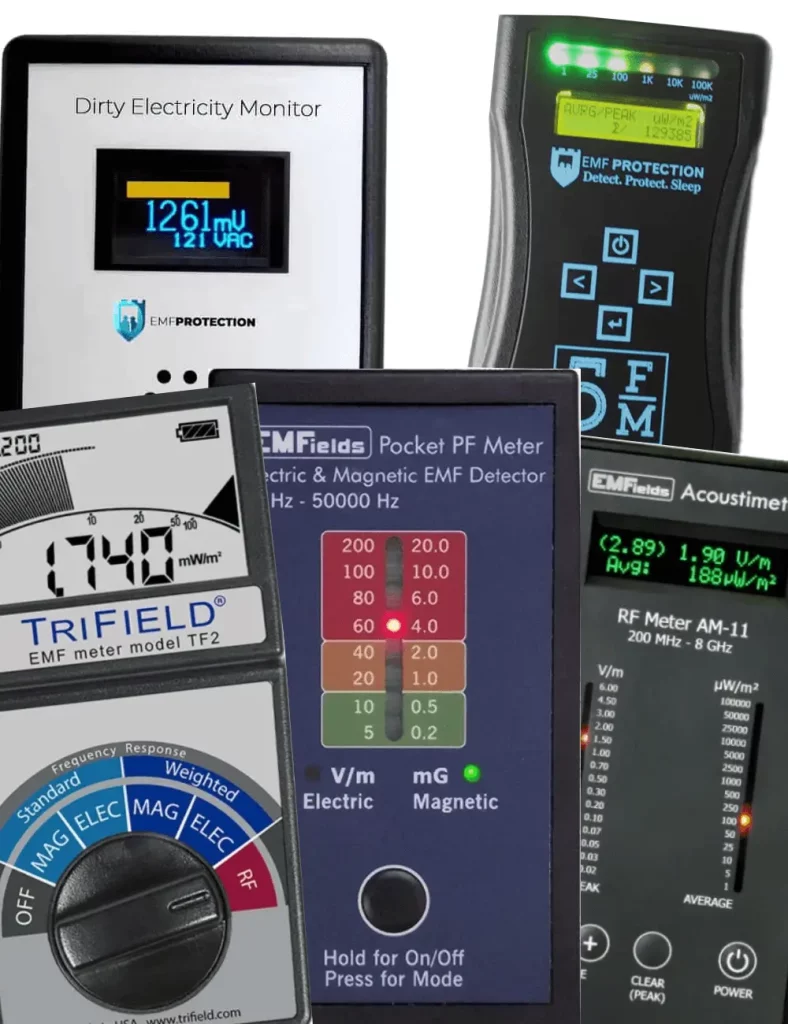
Our EMF meters can detect electric, magnetic and radio frequency (RF) fields, giving you precise, calibrated readings. Some will measure all 3, some will only measure RF (cell towers, Wi-Fi, smart devices, 4G, 5G etc.)
The Different Types of EMF Detectors
Different EMF detector models are designed to measure specific frequencies and types of field. Here are a few examples:
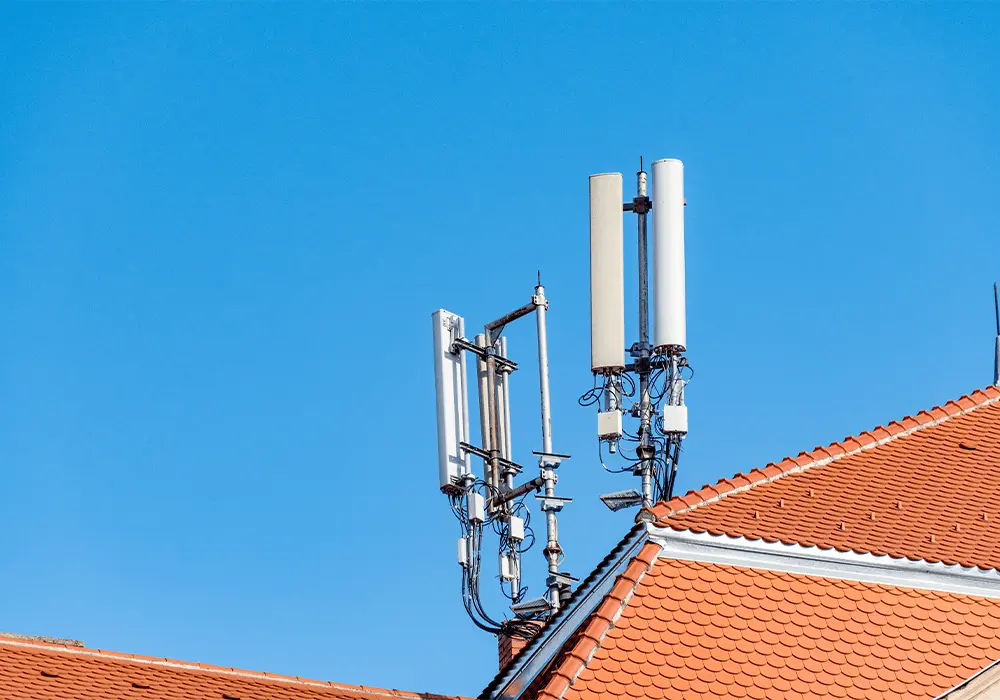
For Wi-Fi routers, cell phones and cell towers, you want a High-Frequency (HF) Meter that can detect RF radiation.
For measuring electric and magnetic fields from wiring, appliances and power lines, you need a meter that will measure MF and EF.
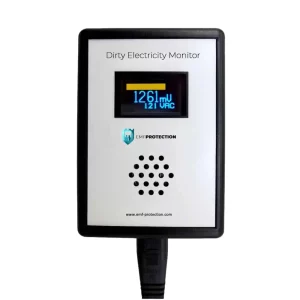
And, if you think you may have some electrical noise in your home, you can use a Dirty Electricity Meter to identify any interference in your internal circuits.
How Do I Choose the Right EMF Meter?
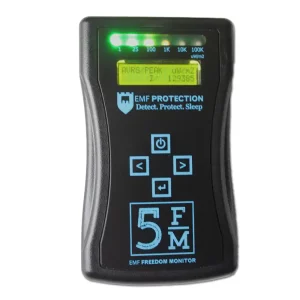
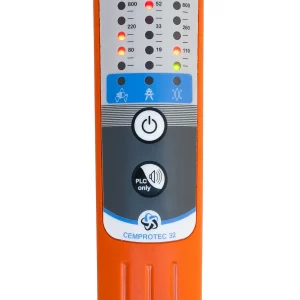
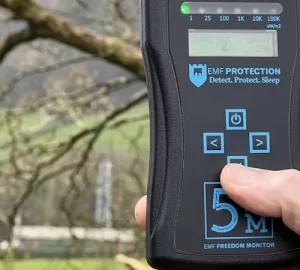
The right EMF meter will depend on what you want to use it for. If you’re just looking to do some general testing around the house, the Cemprotec 33 is a good bet – it’s easy to use and will give you clear EMF readings. If you live in a city centre or highly populated area, you might want to look at the FM5 RF Meter – this one can detect a much larger range of RF and is good for spotting the advanced 5G millimetre wave signals set by the International Telecommunication Union. It is still very simple to use.
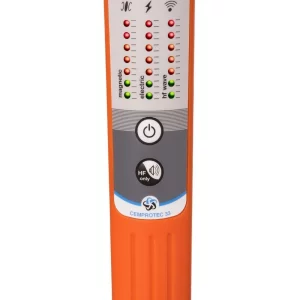
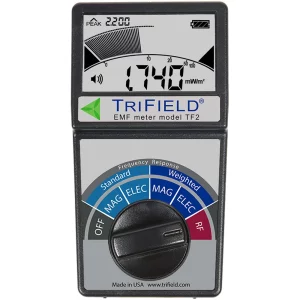
If you need to do a bit of everything, the Cemprotec 34 or Trifield TF2 might be a good choice – they can measure RF, magnetic and electric fields all at once. And if you’re more interested in dirty electricity, we’ve got Line EMI Meters that can give you a good idea of what’s going on in your home. Every EMF detector we sell is designed to give you reliable, repeatable measurements, so that you can see fluctuations, reduce interference and get a better idea of your electromagnetic environment.
Frequently Asked Questions
What Does an EMF Meter Measure?
An EMF meter measures the electromagnetic fields that are produced by your home’s wiring, appliances, Wi-Fi routers, cell towers and just about any other electronic device you can think of – all to help you get an idea of the levels of electromagnetic radiation in your home.
How Do I Choose the Right EMF Detector?
If you’re just looking to do some general testing at home, a basic meter will probably be fine. But if you’ve got specific needs, like testing for high frequencies or dirty electricity, you want to choose a high-sensitivity RF model that’s designed for precision and accuracy.