Home / EMF Clothing / Faraday Hats
A faraday hat is a regular-looking cap or beanie lined with conductive material to help reduce everyday EMF exposure around your head from sources like cell phones, Wi-Fi routers, and cell towers. This collection is for people who want stylish, comfortable EMF protection they can wear every day, with options designed to balance shielding, fit, and ease of use.
Each faraday hat here is made for daily wear, and this page helps you compare how they work, what materials are used for shielding, how they differ from ideas like tinfoil hats, and what to look for in comfort, care, and price before you choose. We have specialized in EMF protection since 2004, and every product here is lightweight, easy to wash, and built for everyday use.
A Faraday hat works on the same principle as any electromagnetic shield. The lining contains conductive material, and when radio frequency waves hit it, the charge redistributes across the surface instead of passing through. That redistribution creates a cancellation effect which helps reduce the electric field reaching the space inside. A hat is not a sealed enclosure, so it cannot cancel everything, but the lining is designed to lower the level of RF radiation reaching your head from phones, WiFi and nearby cell towers.
They are designed to reduce the amount of everyday wireless radiation reaching your head and scalp. Think of the environmental sources you sit near all day: your phone, the router in your office, smart devices around the home. A shielding hat lowers your direct exposure from those potentially harmful sources in the area it covers. It does not stop signals reaching the rest of your body, which is why many customers pair a hat with another product from our EMF protection clothing range for wider coverage.
Conductive metals do the work. Silver and copper are the most common choices because they conduct well, stay flexible when spun into thread, and hold up to regular wear. In an EMF shielding fabric, fine metallic fibers are woven together with cotton or polyester so the finished material feels like normal clothing while still forming a continuous conductive layer. Look for fabric certified to a recognized test standard; the tighter and more consistent the weave, the better it performs.
No. A true Faraday cage is a fully sealed conductive enclosure, and a sheet of kitchen foil wrapped around your head is neither sealed nor durable. A purpose-made Faraday hat is not a full cage either, but it uses engineered conductive fabric with a consistent weave, so its shielding can be measured and repeated. Foil crumples, tears and leaves gaps. If you want a meaningful reduction rather than a novelty, engineered fabric is the only serious option.
The physics is proven: conductive barriers shield sensitive electronics in labs and hospitals every day. Whether a specific product works comes down to the quality of the conductive fibers, the coverage it gives, and honest testing behind it. That is why we recommend buying fabrics that have been independently tested and certified rather than unbranded imports. Check the product page for the stated shielding details, and if a seller cannot show certified test data, treat the claims with caution.
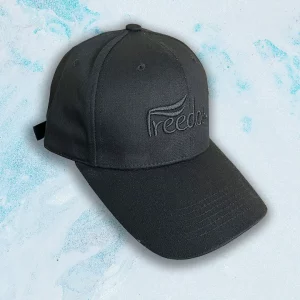
Start with how you will wear it. Beanies suit cold mornings, commutes and indoor wear, while a cap works better in the sun. In this range the BlocWave Logo Faraday Beanie Hat is $59.99 and the Freedom Faraday Hat, a classic cap style, is $35.99. Check the shielding details on each product page, and use the size chart before you order. A snug fit keeps the lining close to your head, and if you sit between two size options, go for the smaller size.
Wash gently. The conductive fibers in the lining are fine metal threads, so a cool hand wash with mild detergent keeps them intact, while hot cycles and harsh chemicals can degrade the shielding over time. Air dry away from direct heat. Treated well, a quality shielding hat keeps performing season after season, which matters more here than with a regular hat because you are paying for the fabric technology, not just the style.
Expect a higher price than a regular beanie, because silver and copper thread costs more than plain yarn. In this collection the price runs from $35.99 for the Freedom cap to $59.99 for the Logo beanie. Our 30-day returns policy means you can try either product risk free.
Yes. The beanies are knitted to be soft, stretchy and breathable, so they feel like any good winter hat, and the cap is light enough for all-day wear. There is no stiffness from the shielding layer because the conductive thread is spun directly into the fabric. Customers wear them commuting, working and traveling, and several tell us they forget which of their beanies has the lining in at all.